Step-by-step guides for web development, maths and personal finance, each one paired with a free tool.
Learn to read bank and UPI statements, categorize transactions, and analyze your spending, while keeping OTPs, PINs and account details private.
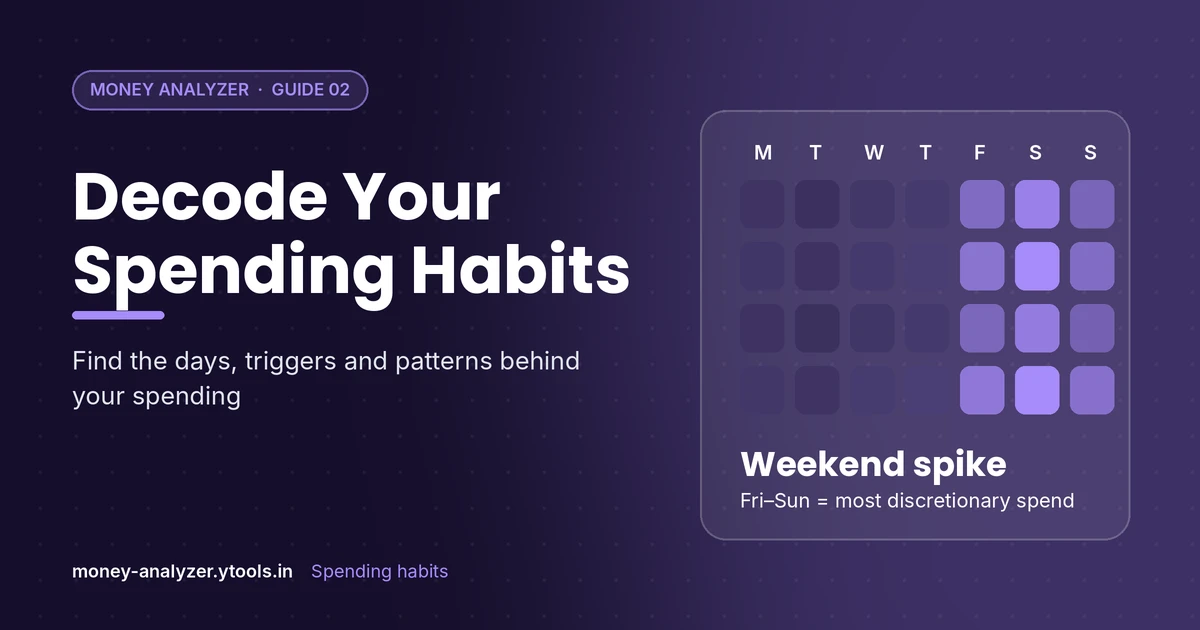
Learn how to analyze your spending habits by looking at frequency, timing and triggers. Includes a worked ₹ example and a simple habit-review method.
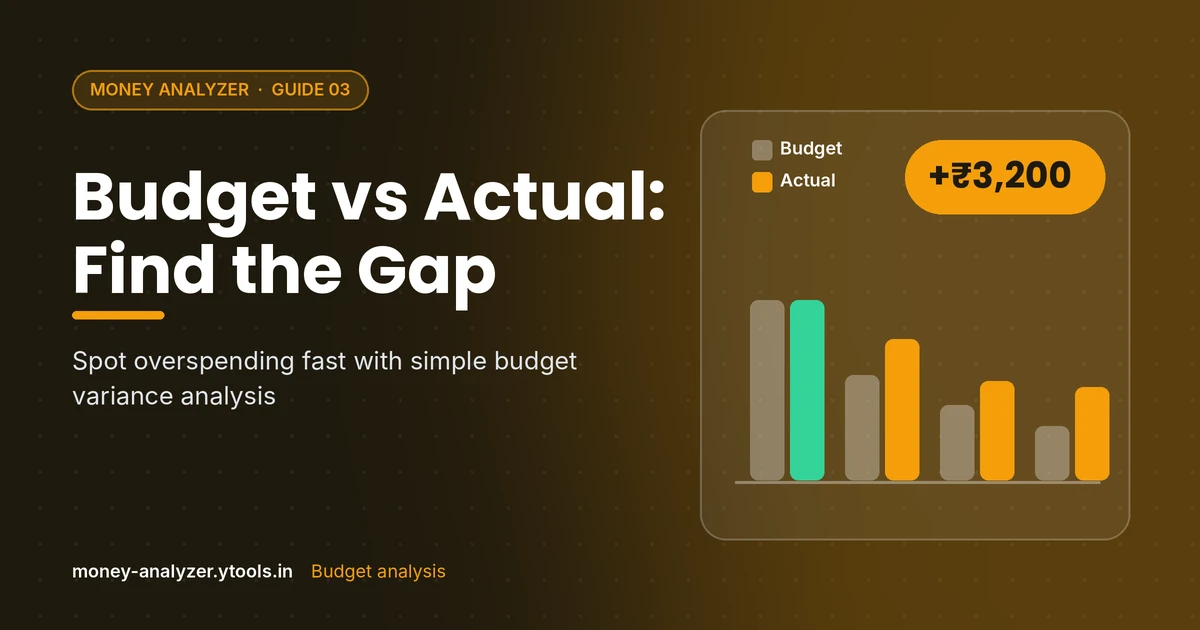
Compare your budget with actual spending, calculate variance in ₹ and %, and decide what to change. Includes a worked example with every formula shown.
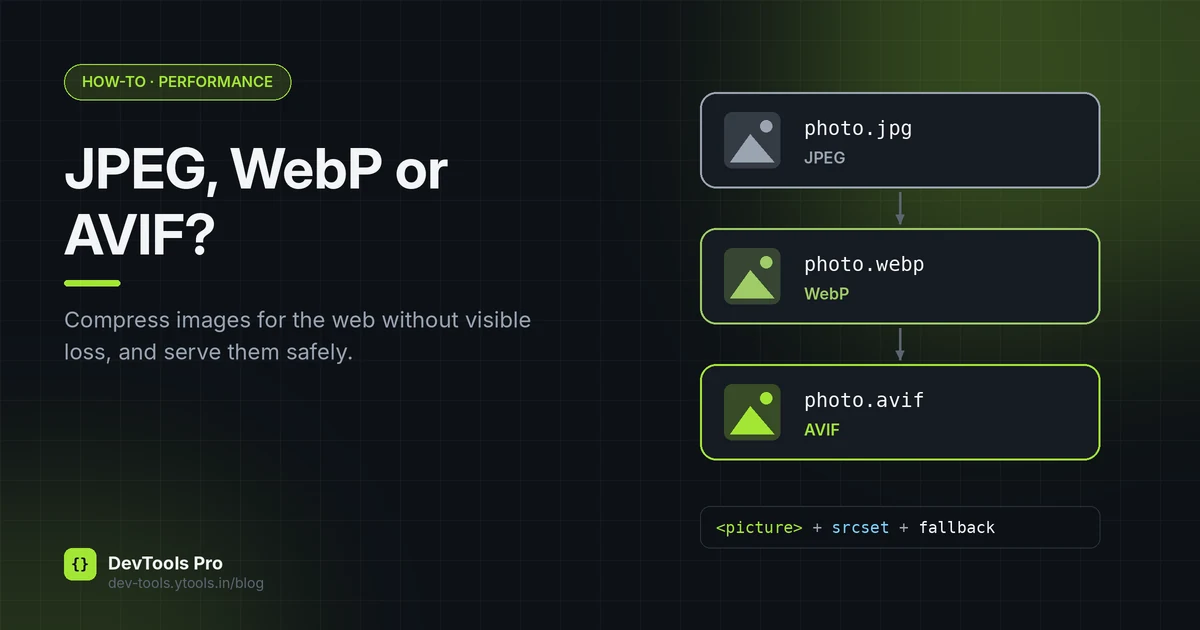
Choose the right image format, compress without visible quality loss, and serve WebP and AVIF safely with fallbacks. Includes a format decision table.
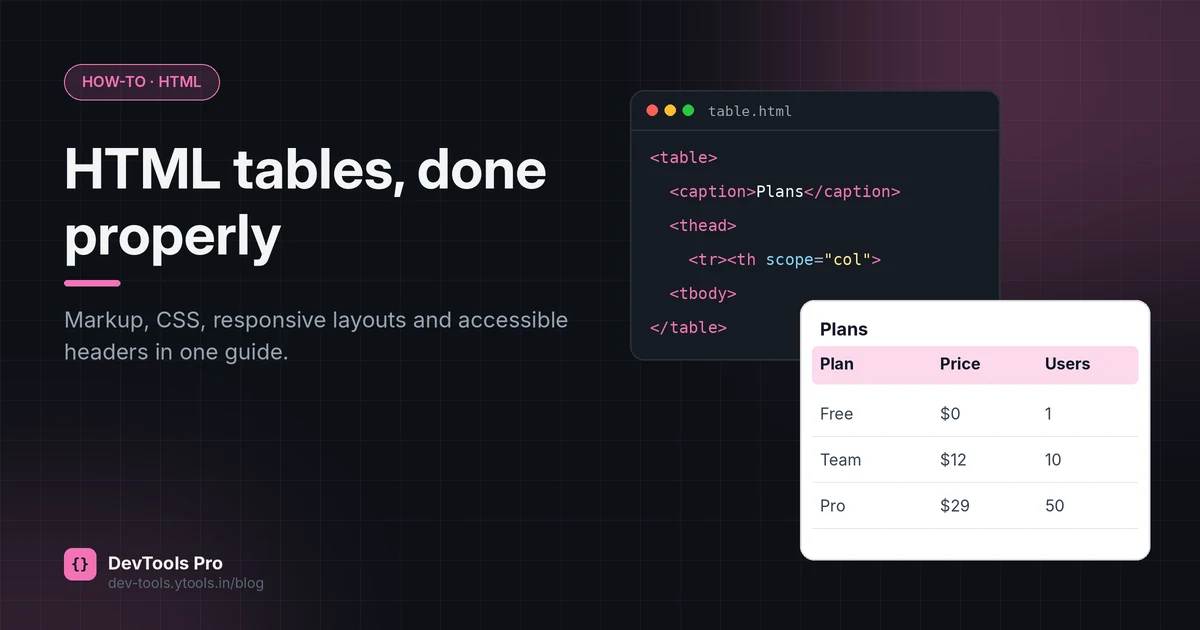
Build an HTML table from scratch: the right tags, merged cells, responsive CSS and accessible headers, plus how to turn spreadsheet data into HTML.
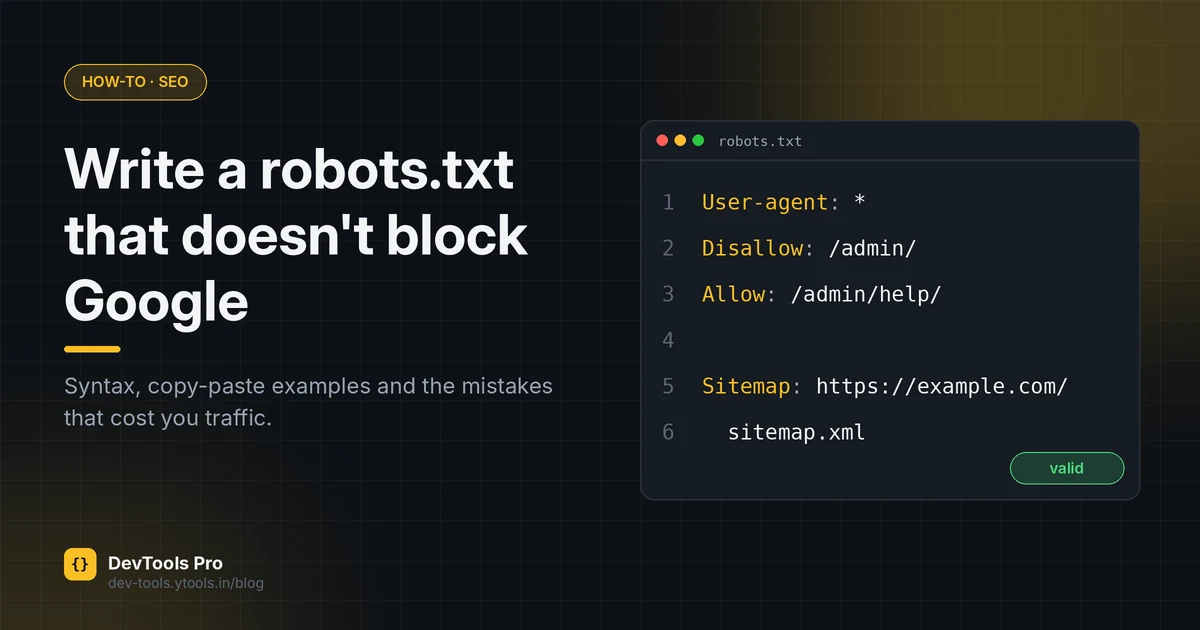
Create a correct robots.txt in minutes: syntax, copy-paste examples for common setups, how to test it, and the mistakes that accidentally block Google.
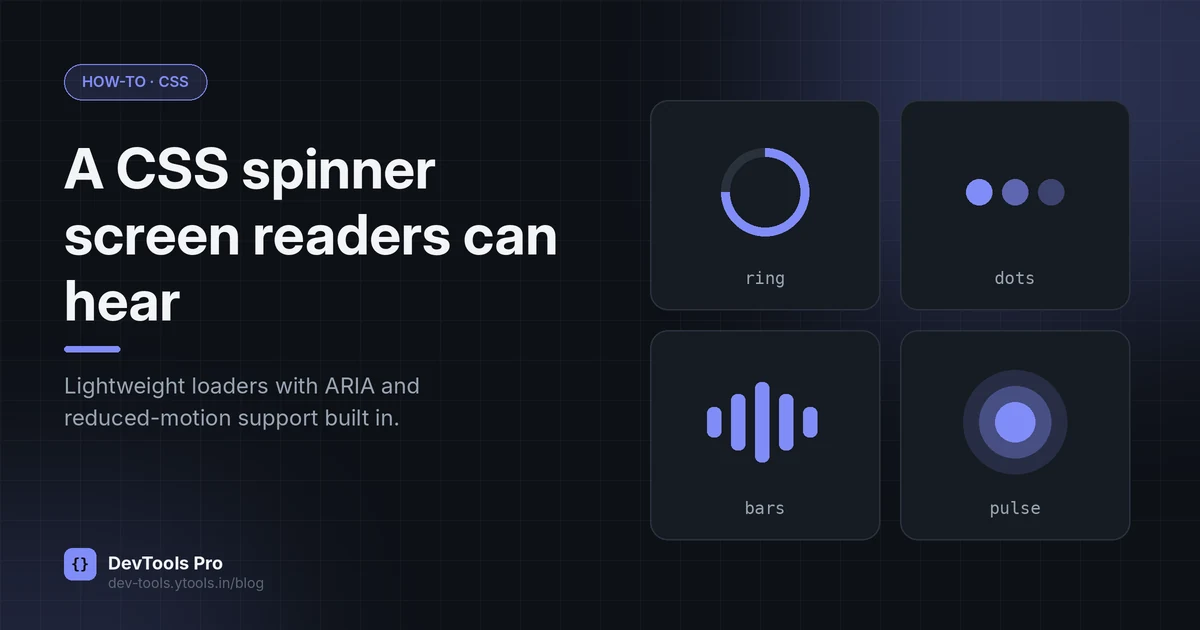
Build a CSS-only loading spinner with @keyframes, make it accessible with ARIA and reduced-motion support, and learn when a skeleton screen is better.
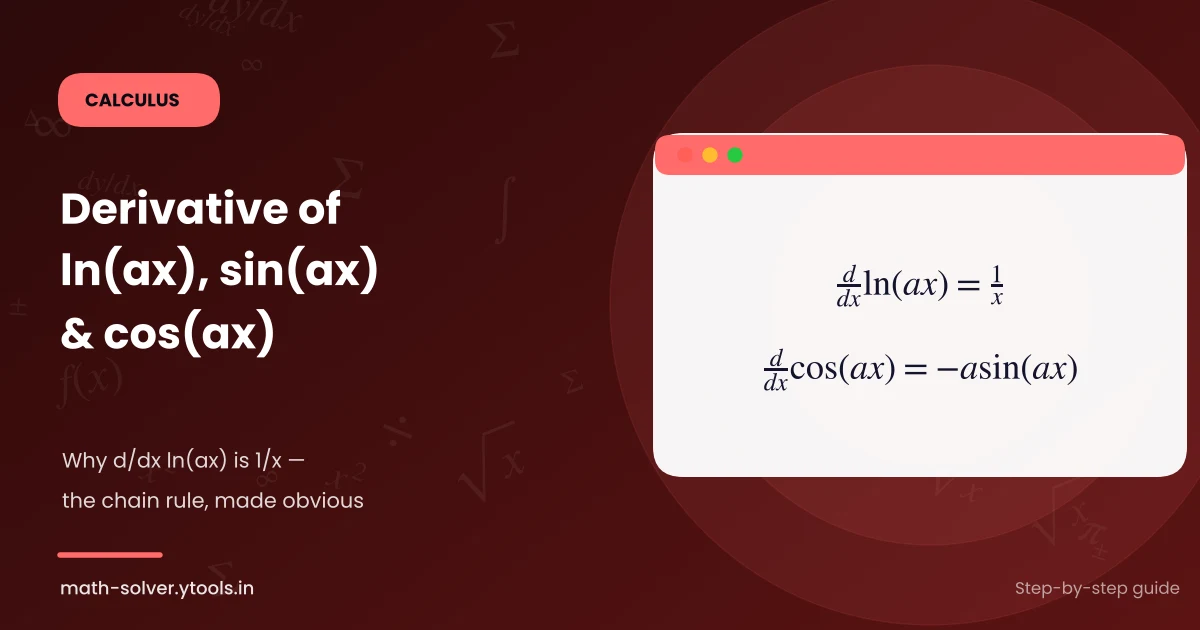
Why d/dx ln(ax) = 1/x, why sin(ax) gives a·cos(ax) and cos(ax) gives −a·sin(ax). One chain-rule pattern, a graph that makes it obvious, and worked examples.
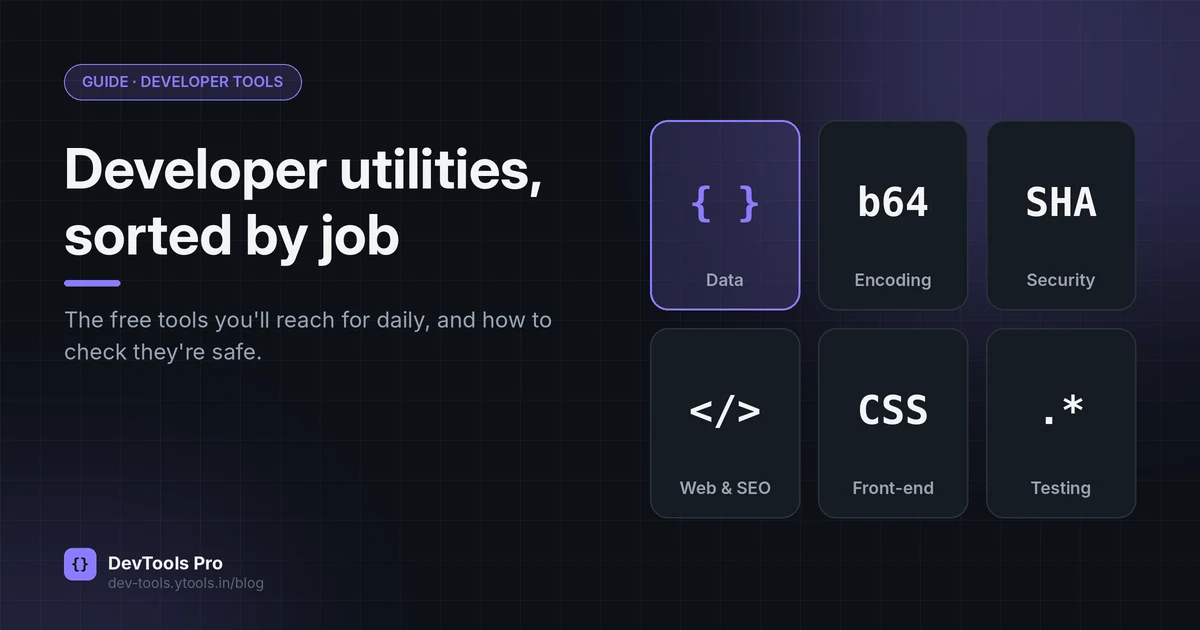
What developer utilities are, the six categories developers use daily, and how to check that a browser-based tool is safe before you paste data into it.
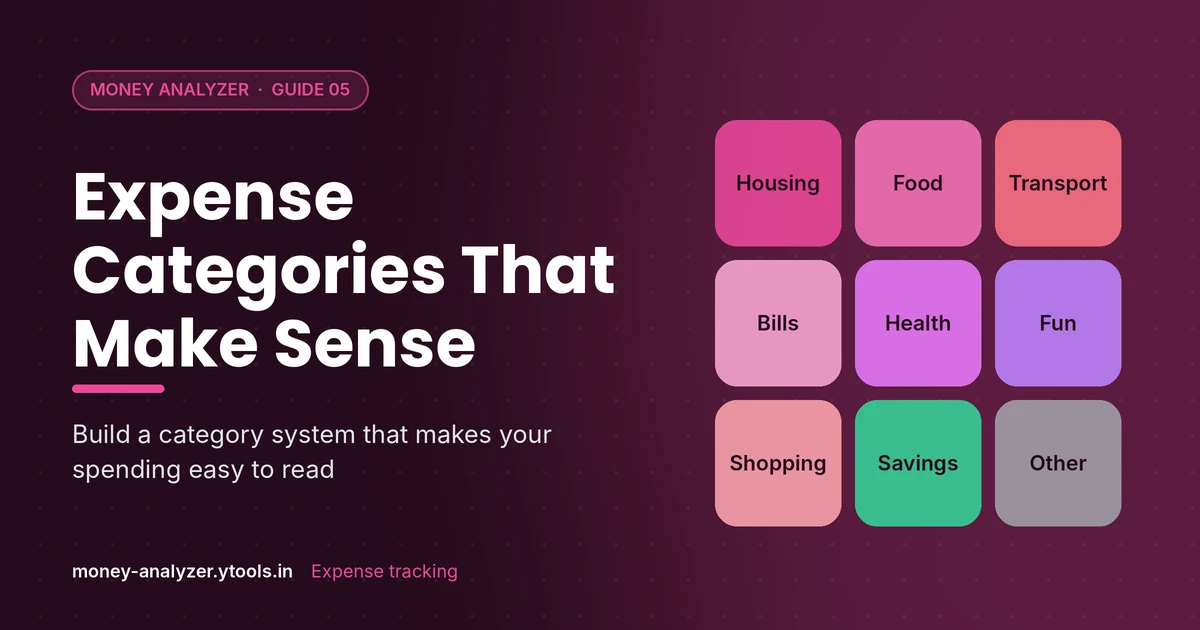
A practical list of personal expense categories, grouped into fixed, variable, discretionary and savings, plus rules for categorizing tricky transactions.
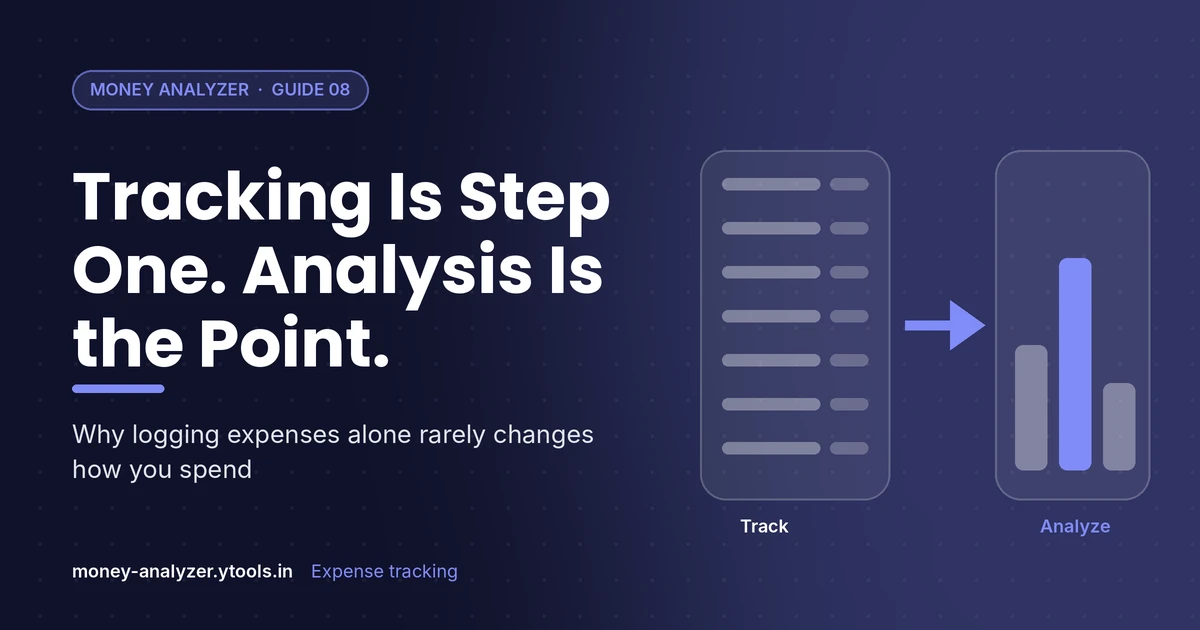
Expense tracking records what you spend; expense analysis explains it. Learn the difference, why you need both, and a simple monthly routine.
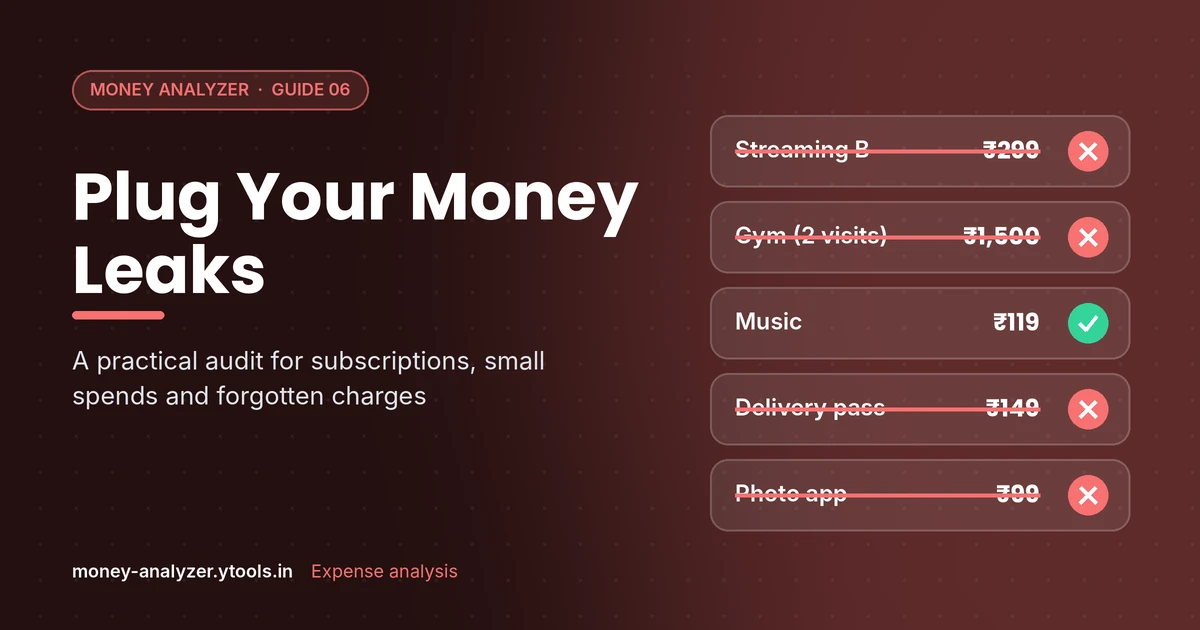
Find unnecessary expenses with a step-by-step audit of subscriptions, fees and small repeat spends. Includes a cost-per-use formula and a worked ₹ example.
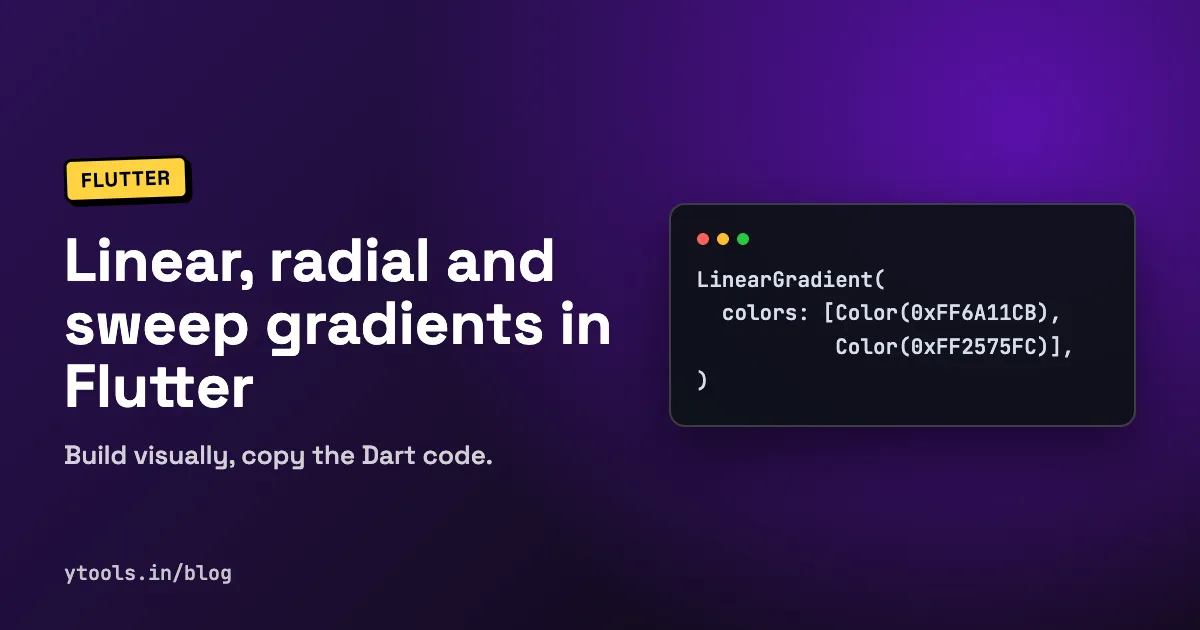
Learn how to build a Flutter gradient with LinearGradient, RadialGradient and SweepGradient, tune stops and tileMode, and export clean Dart code visually.
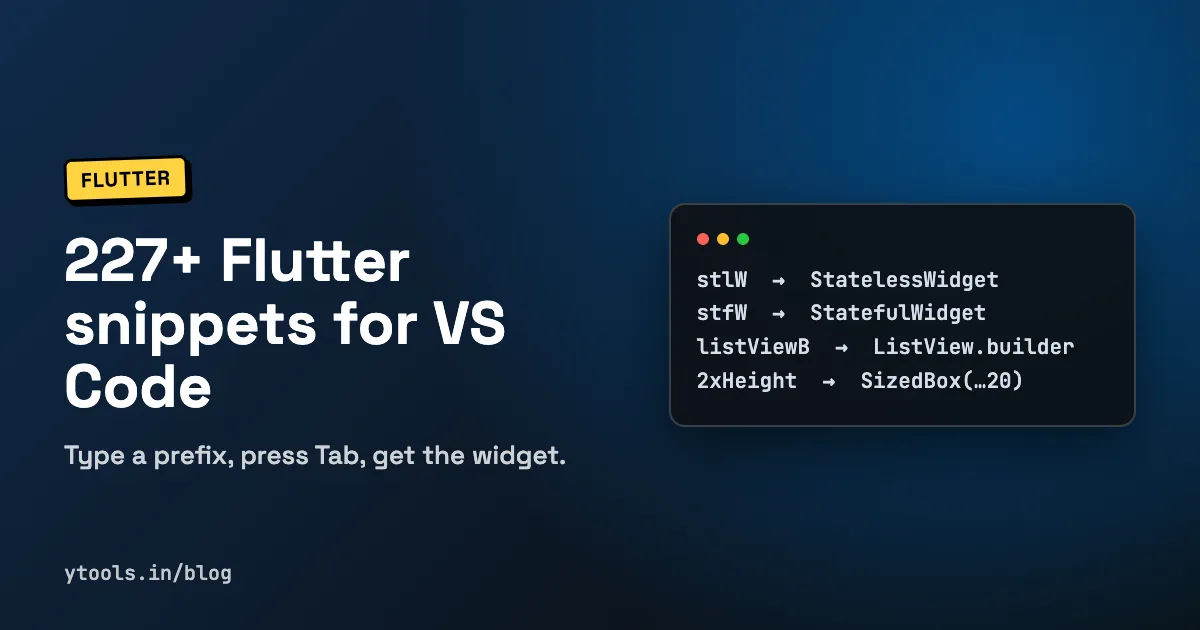
Use Flutter snippets in VS Code to write widgets, builders, forms and state code faster. Full prefix table, real output examples and setup steps inside.
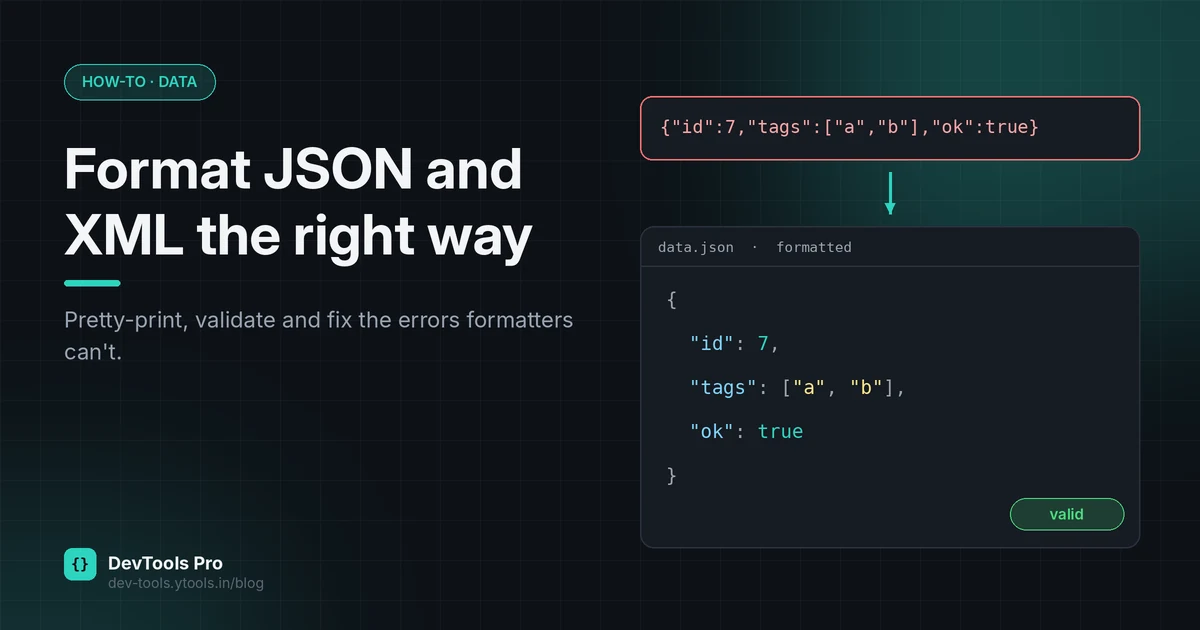
Format and validate JSON and XML online, in JavaScript and Python, or on the command line. Learn the errors formatters catch and the ones they miss.
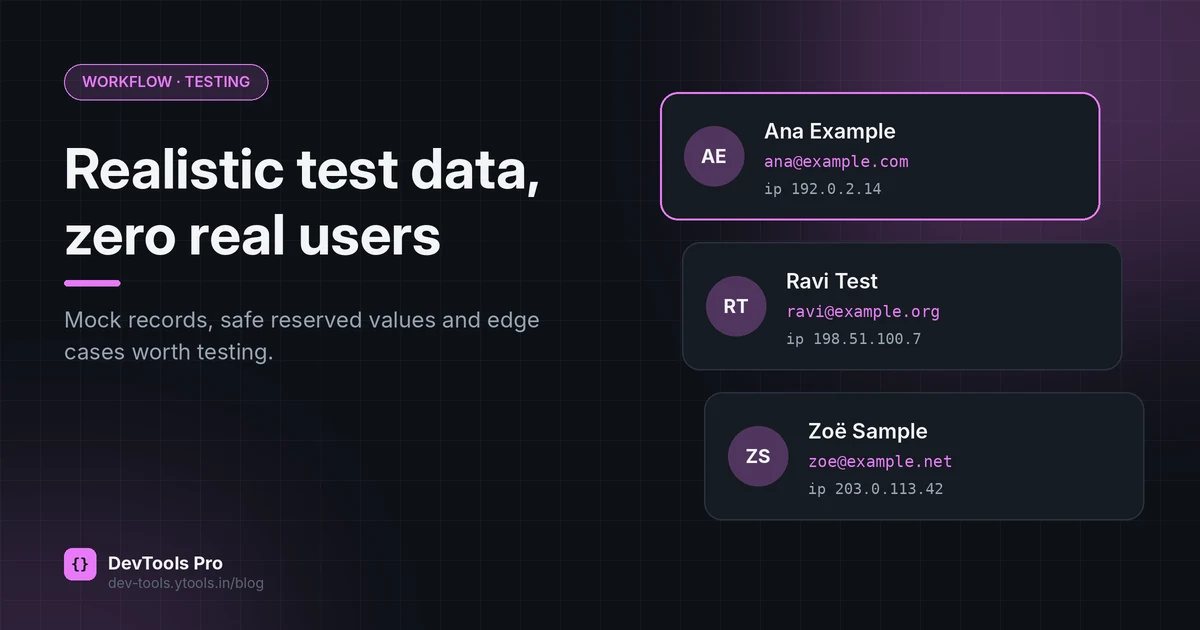
Generate realistic test data for development and QA: mock users and APIs, edge cases, reserved domains and IPs, and why copying production data is risky.
Learn how to analyze your monthly expenses step by step: collect, categorize, total, compare and act. Includes a worked ₹ example and simple formulas.
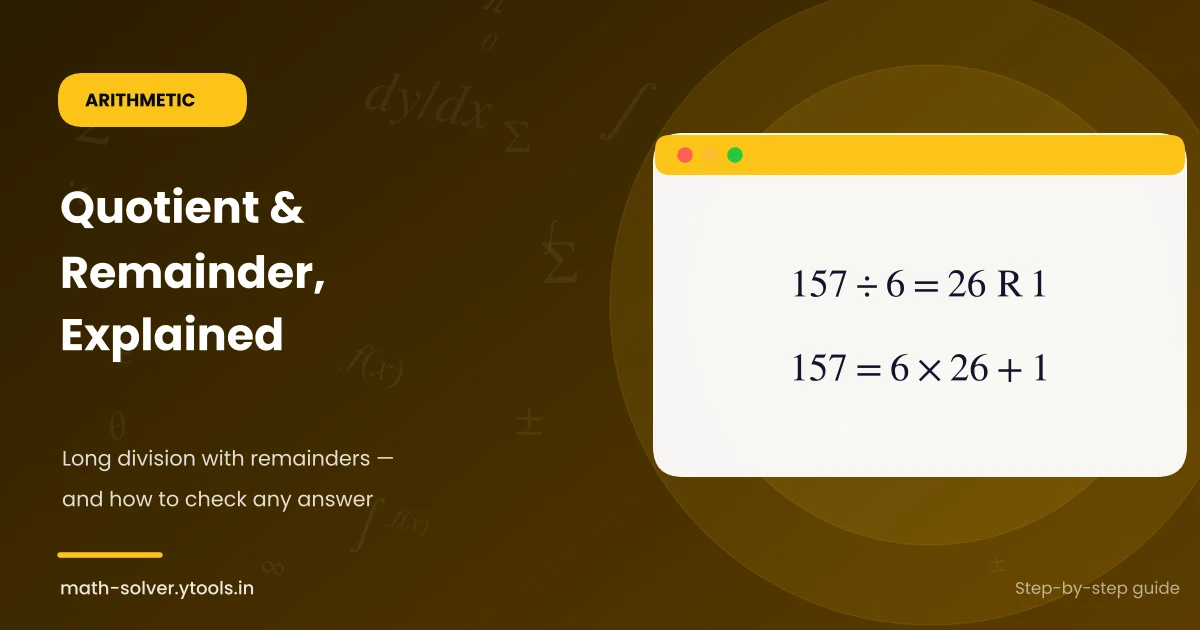
Find the quotient and remainder with long division, check with dividend = divisor × quotient + remainder, and write remainders as fractions or decimals.
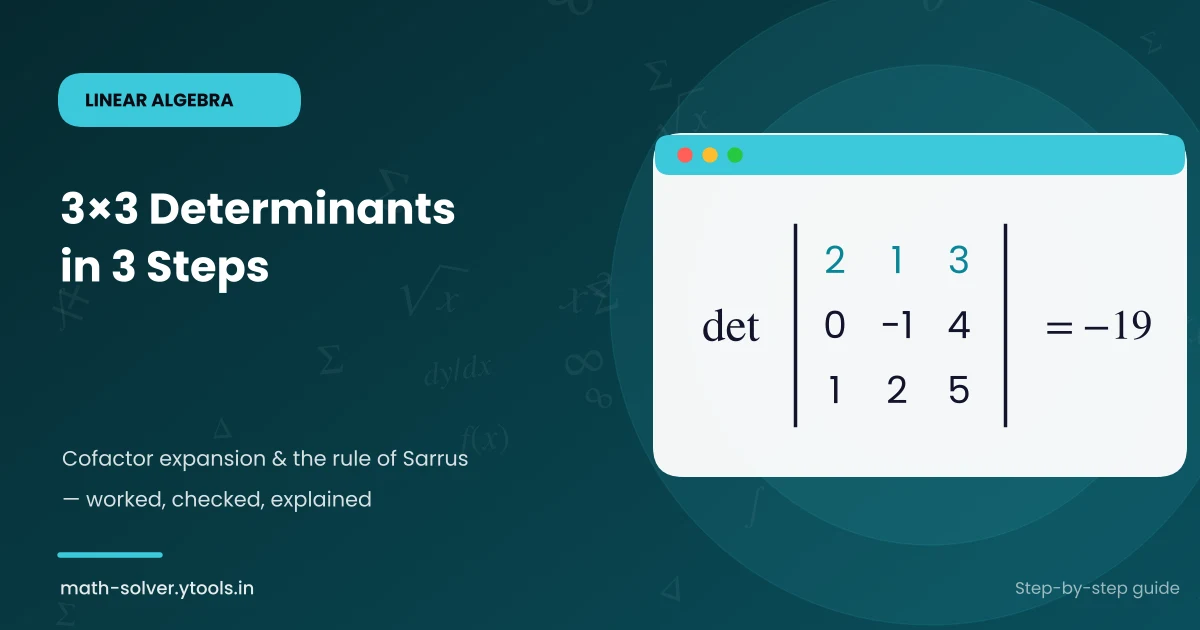
Find any 3×3 determinant with cofactor expansion, then check it with the rule of Sarrus. Worked example, sign pattern and what a zero determinant means.
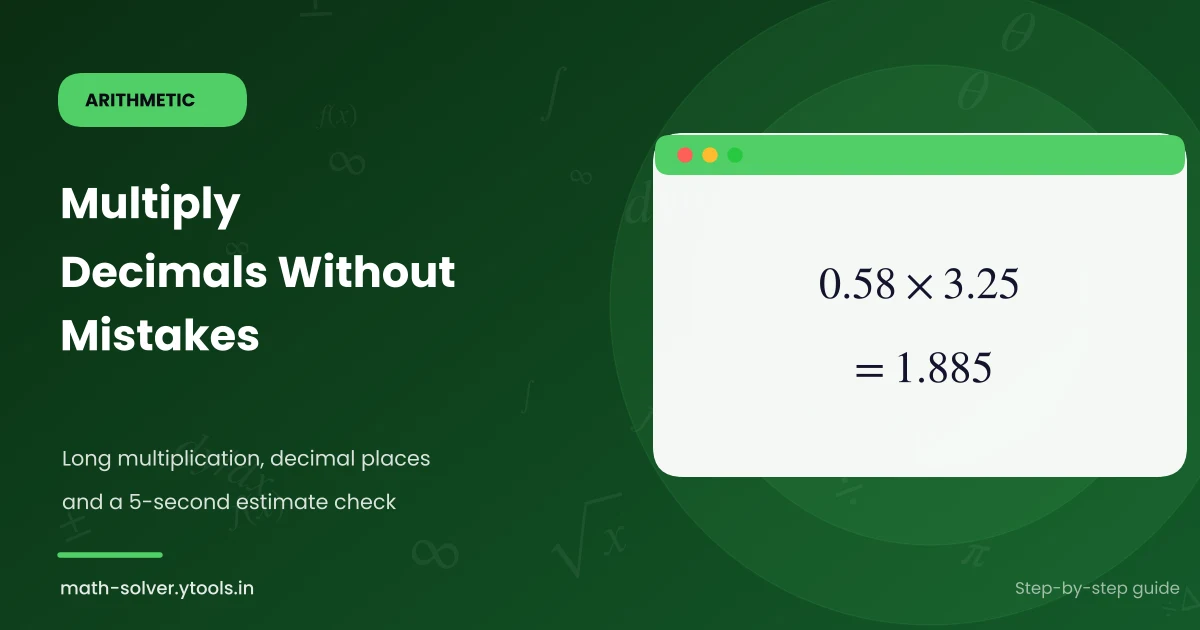
Multiply decimals in three steps: multiply as whole numbers, count decimal places, then estimate to check. Worked examples like 0.58 × 3.25.
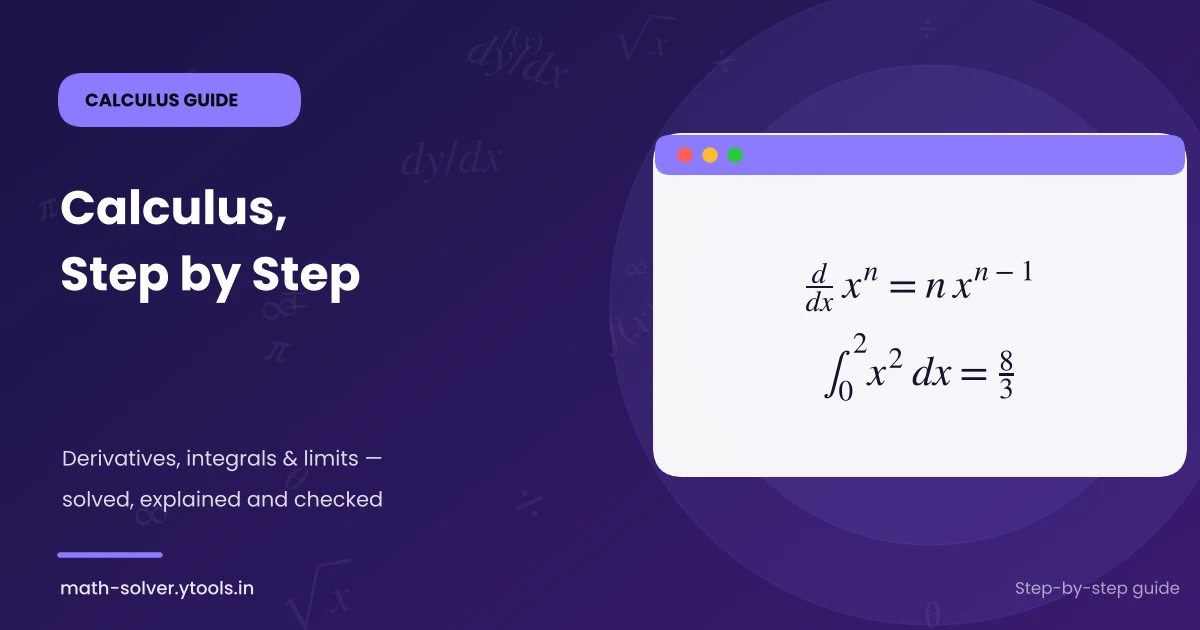
A repeatable method for calculus problems: spot the type, pick the right rule, check your answer. Worked derivative, integral and limit examples.
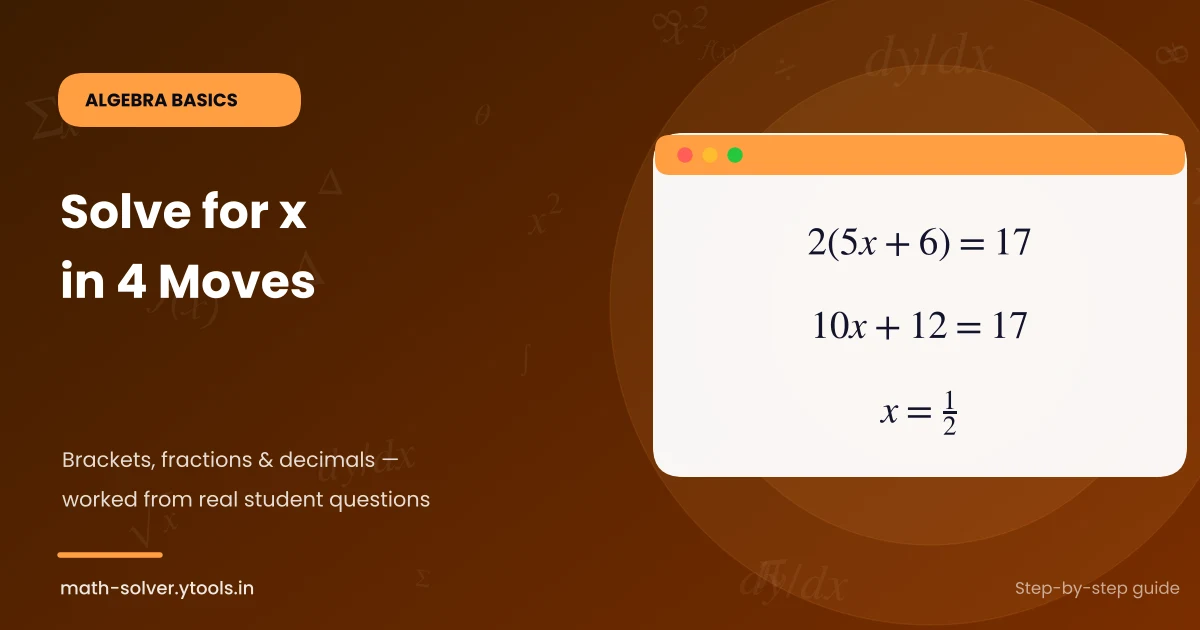
A simple 4-move method to solve for x, worked on real equations like 2(4z + 8) = −40. Covers decimals, variables on both sides and how to check.
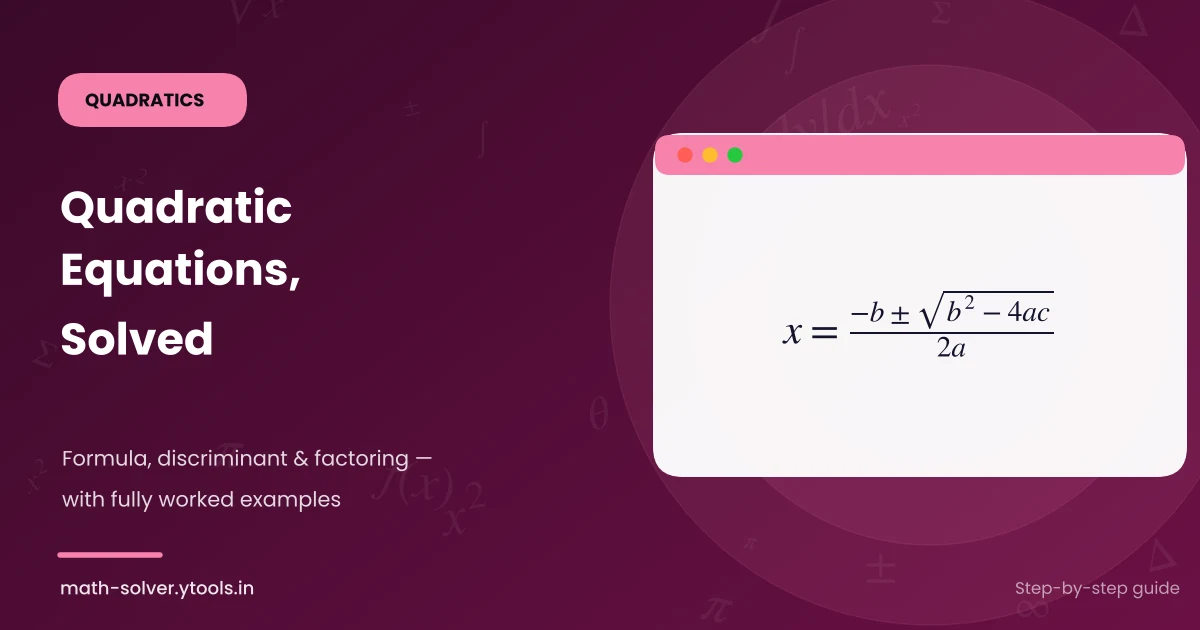
Solve any quadratic with the formula, factoring or completing the square. Learn what the discriminant tells you, with fully worked, checked examples.
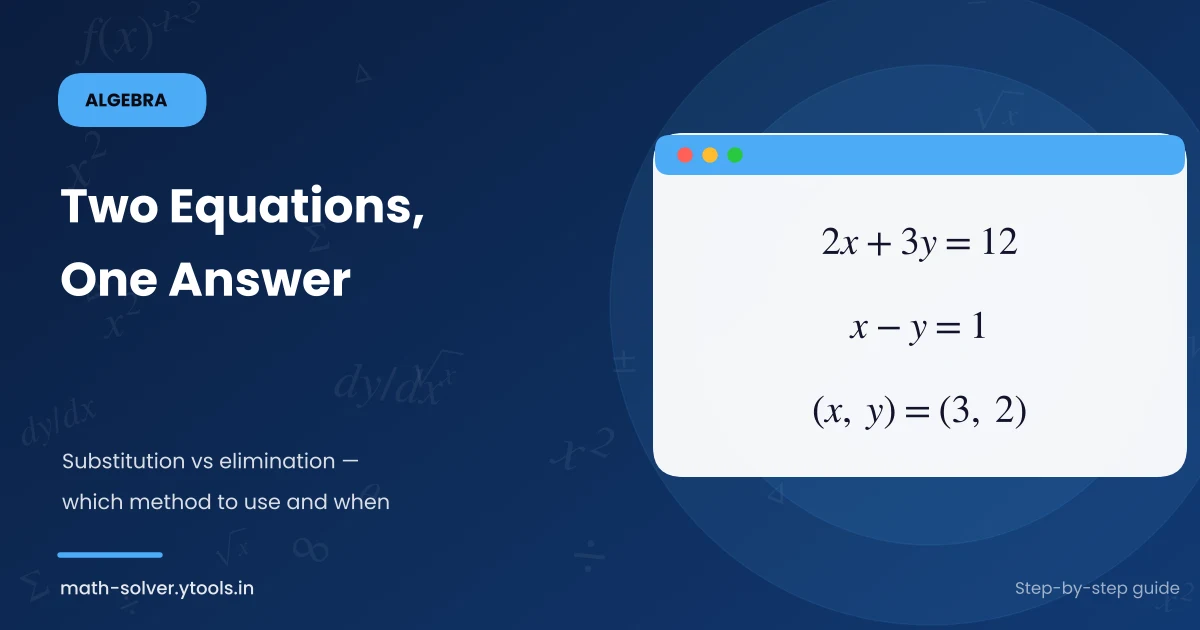
Solve two equations in two unknowns by substitution, elimination or Cramer's rule, with worked examples, a graph and what "no solution" means.
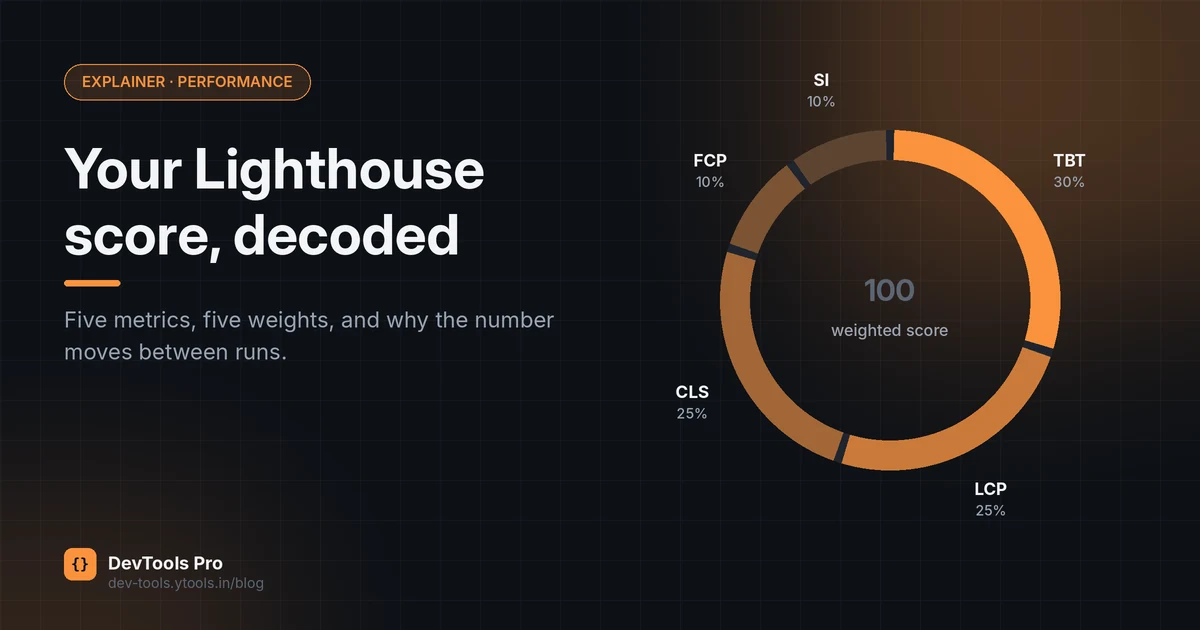
See how Lighthouse weights FCP, Speed Index, LCP, TBT and CLS, why your score changes between runs, and which fixes move the number most.
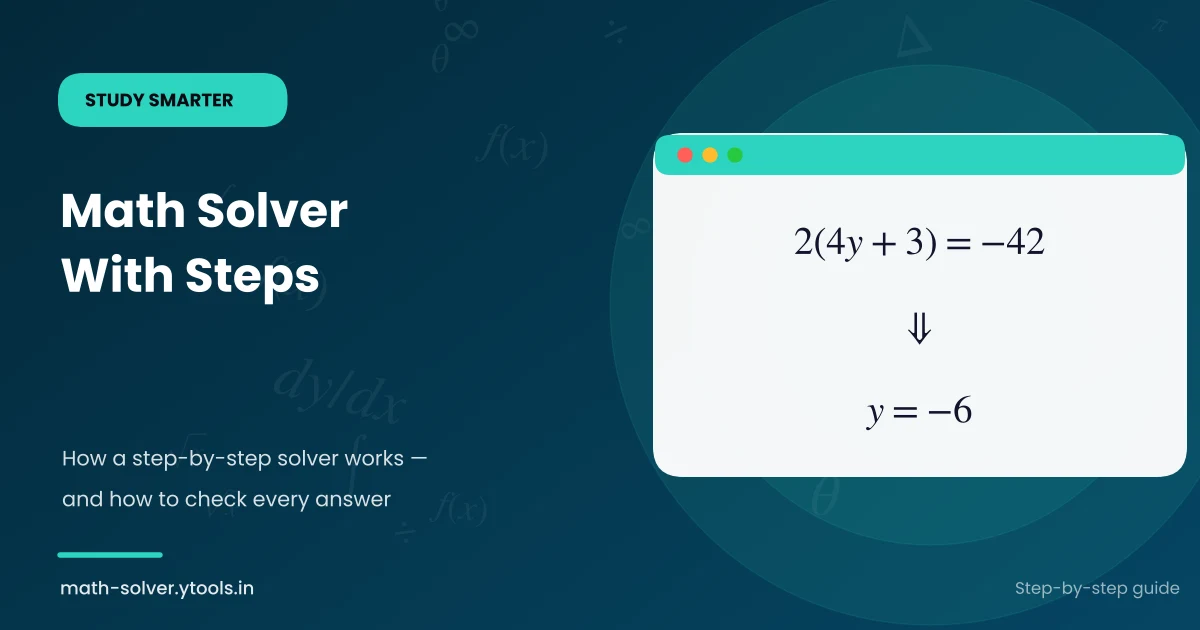
See what a step-by-step math solver does behind the scenes, how to read each step, and four quick ways to verify any answer — with worked algebra examples.
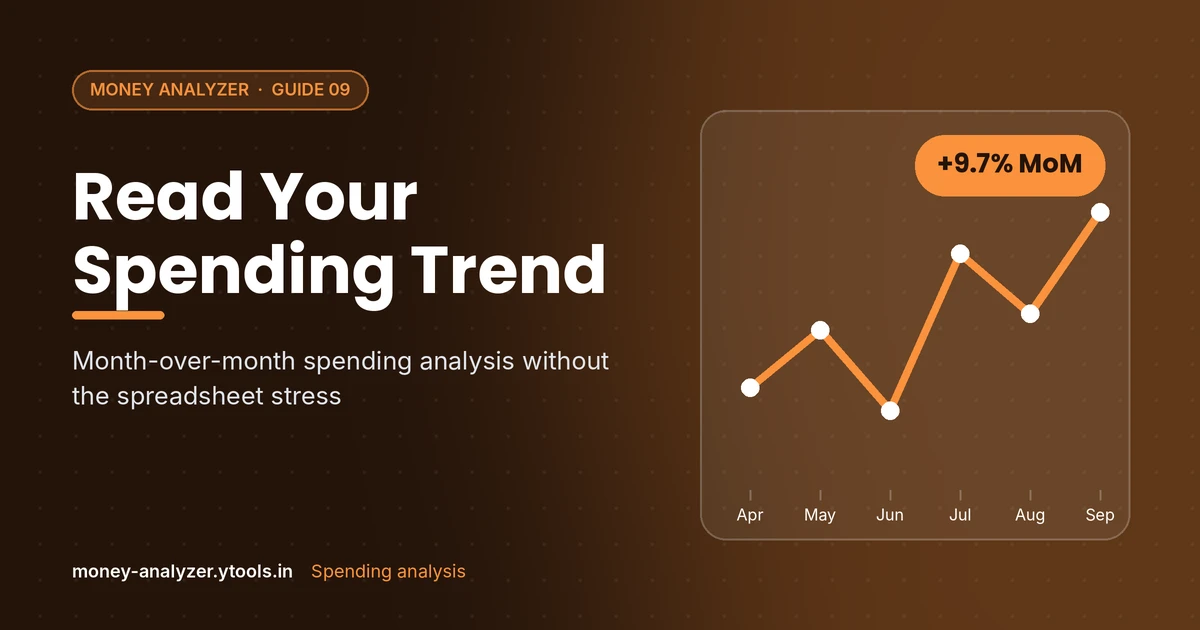
Learn to calculate month-over-month spending change and a 3-month moving average, so one unusual month doesn't mislead you. Worked ₹ example included.
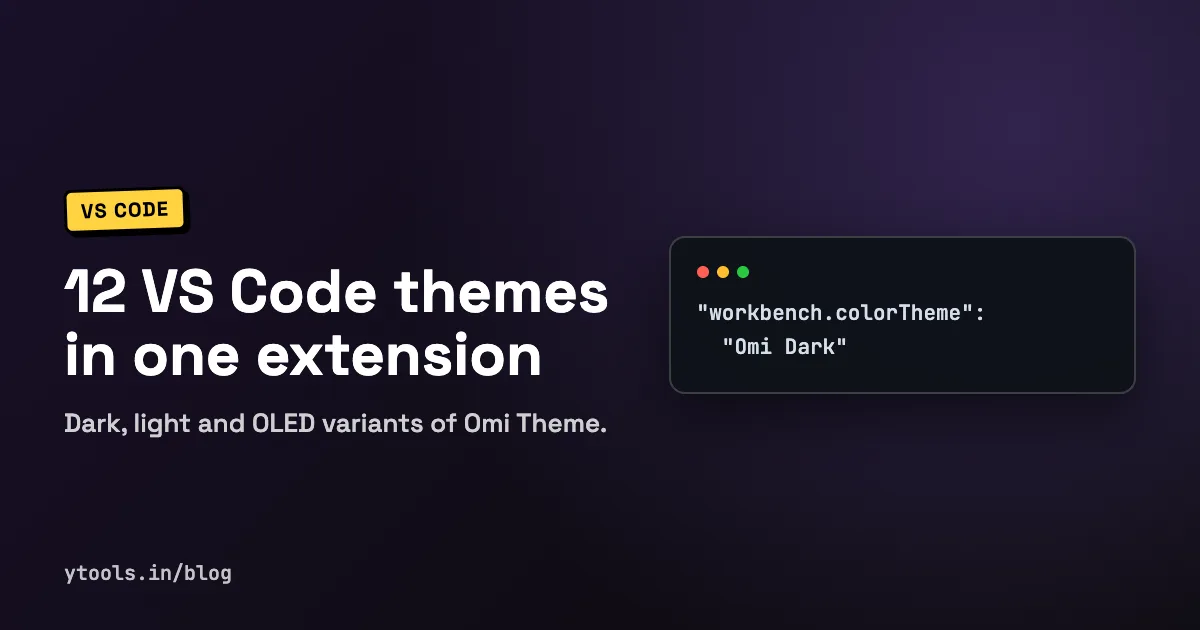
Omi Theme is a free VS Code theme with 12 dark and light variants. Learn how to install it, switch variants, and customize colors in settings.json.
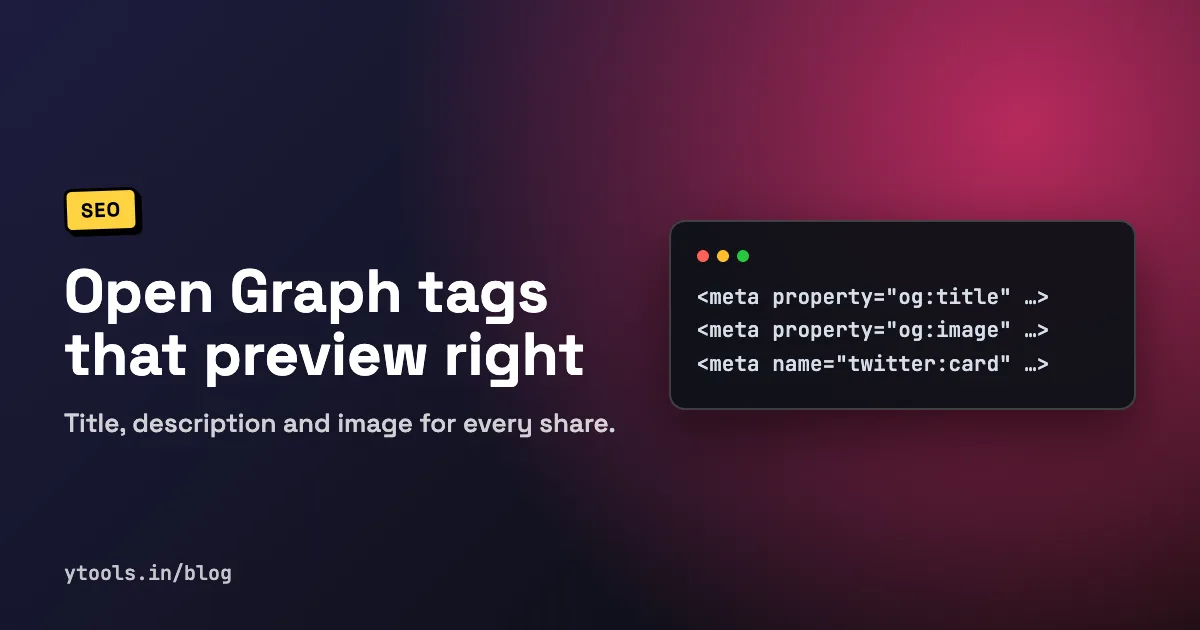
Add Open Graph meta tags the right way: the essential og and Twitter card tags, a copy-paste head snippet, image size, and how to fix stale link previews.
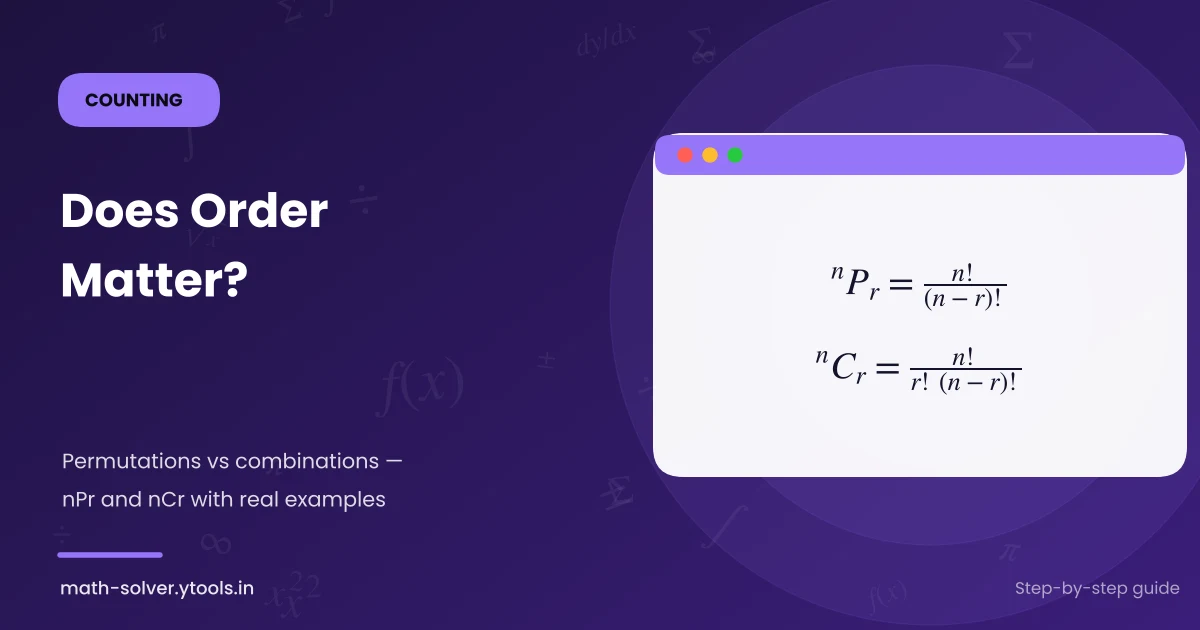
Does order matter? Learn when to use permutations (nPr) or combinations (nCr), how the formulas work, and how they connect — with worked examples you can check.
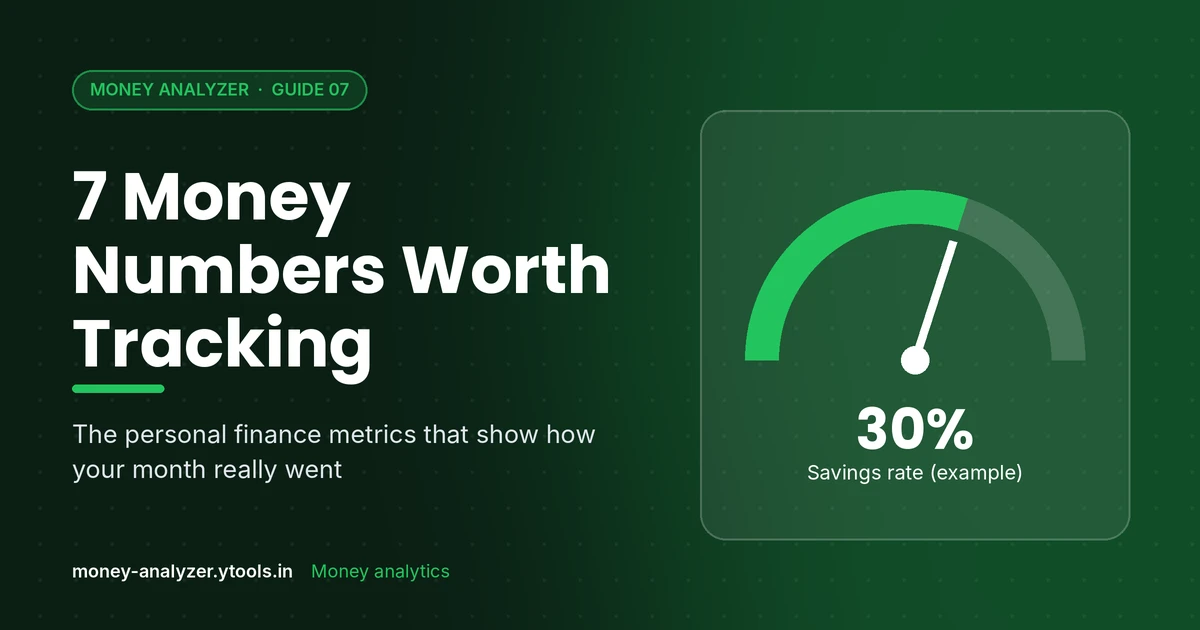
Seven personal finance metrics worth tracking monthly, from savings rate to emergency fund coverage, each with a formula and a worked ₹ example.
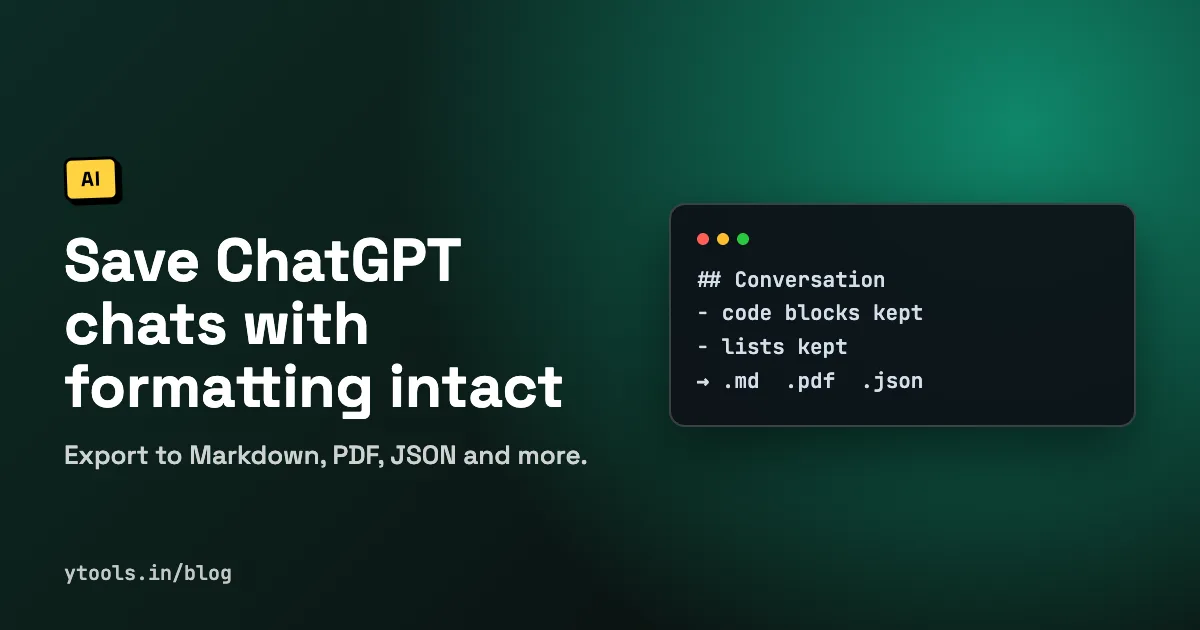
Learn how to save ChatGPT conversations and export them to Markdown, PDF or JSON with code blocks, lists and tables intact, plus tips for organising them.
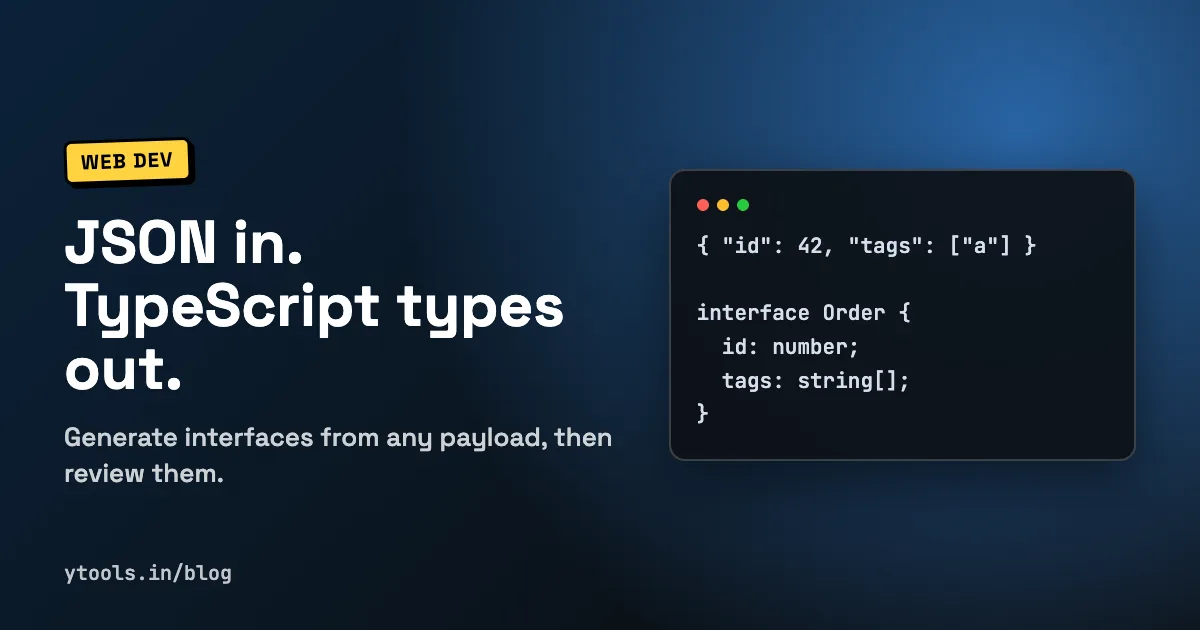
Convert JSON to TypeScript interfaces in seconds. Learn how type inference works, how to handle nulls, optional fields and mixed arrays, and what to review.
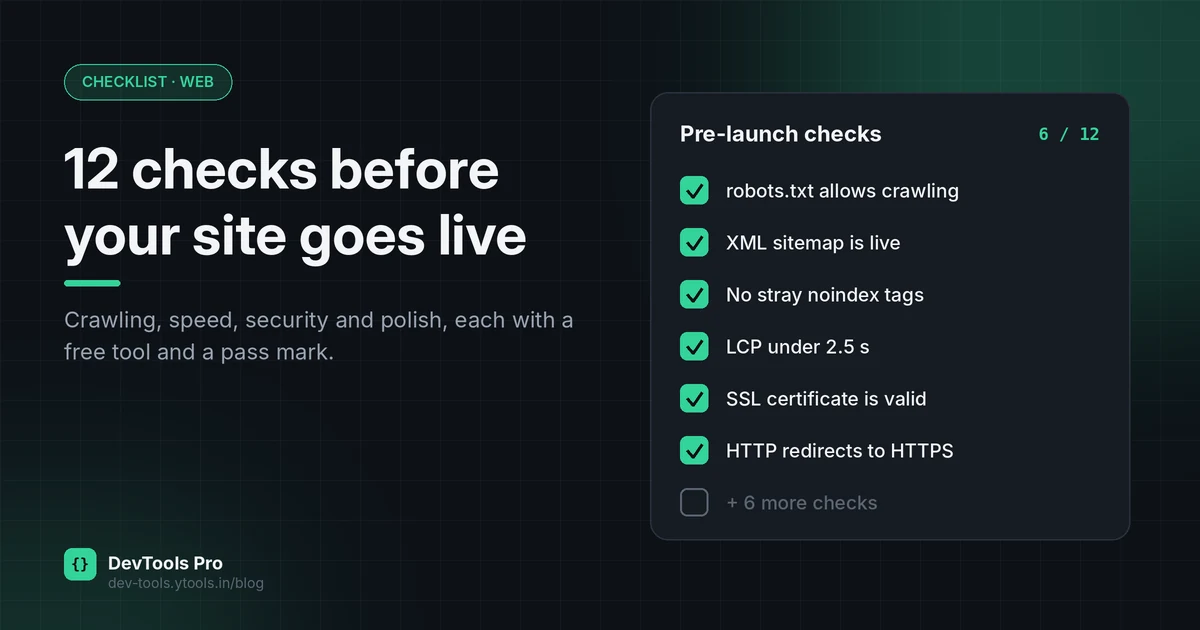
A pre-launch checklist for web developers: 12 checks for crawling, performance, security and accessibility, each with a free tool and a clear pass mark.
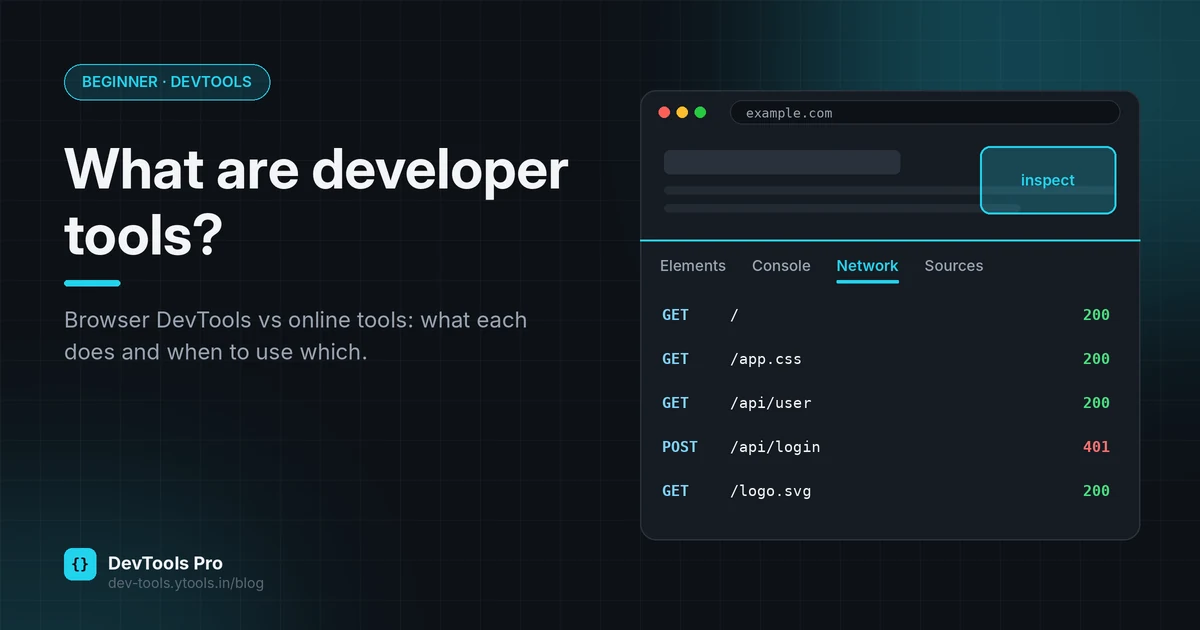
Developer tools can mean your browser's built-in DevTools or online utilities. Learn what each does, how to open DevTools, and when to use which.
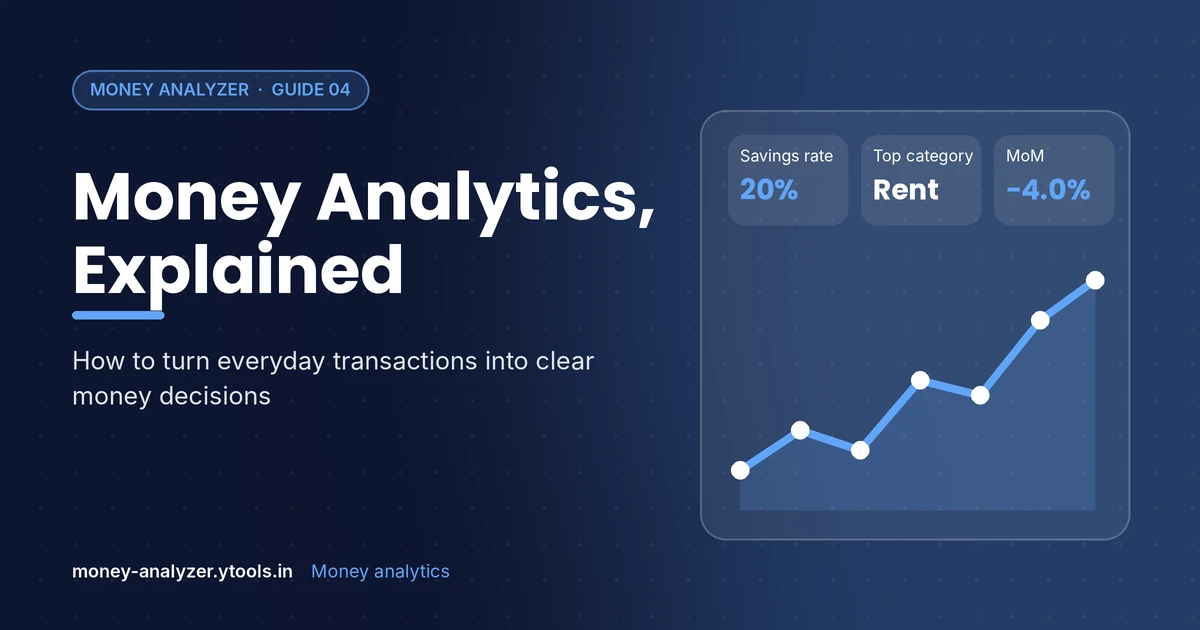
Money analytics means using your own transaction data to understand and improve your finances. Learn the four levels, with examples and a sample dashboard.